

Clean toys feel better! Save $84


Stress and Low Libido: Why Stress Kills Your Sex Drive

At a Glance
- The short answer on stress and low libido: Yes, chronic stress tanks your sex drive, and the biology behind it is real, not in your head.
- Cortisol is the culprit: When your stress hormone stays high, it crowds out testosterone and pulls your body out of any mode where sex feels appealing.
- It becomes a loop: Low desire creates worry, worry creates more stress, and the whole thing feeds itself until you interrupt it.
- What actually helps: Sleep, movement you don't dread, and taking pleasure off the performance clock, including low-pressure solo exploration.
It's late August. The vacation's over, the calendar just filled back up, and somewhere in the shuffle, your sex drive quietly left the building. You're not broken, and you're definitely not alone. Stress and low libido go together for a reason, and once you understand the mechanism, you can actually do something about it.
Here's what's going on under the hood and what moves the needle on getting your drive back.
Does Stress Actually Kill Your Sex Drive?
Yes.
Not "maybe," not "for some people." Chronic stress is one of the most common reasons desire drops off, and it works on your body whether or not you feel consciously stressed.
Your body runs two basic modes. There's the alert, get-through-the-day mode, and there's the rest, digest, and connect mode. Sex lives entirely in the second one. When stress keeps you stuck in the first mode for weeks at a time, your body treats desire as a luxury it can't afford right now. That's not a character flaw. It's ancient wiring doing exactly what it evolved to do.
Meet Cortisol, Your Libido's Frenemy
The link between cortisol and libido is where this gets concrete. Cortisol is your main stress hormone, and in short bursts, it's genuinely useful. It gets you out of bed, helps you hit a deadline, and keeps you sharp when it counts.
The trouble starts when it never comes back down. Sustained high cortisol suppresses testosterone, the hormone doing a lot of the heavy lifting behind male desire. Less testosterone = less drive. Cortisol also keeps blood pumping toward your muscles and away from everywhere else, which matters when arousal depends on blood flow. And it eats your mental bandwidth, so even when the opportunity's there, your head's still writing tomorrow's to-do list.
Stack those together, and you get a body that's technically fine but completely uninterested. Nothing's wrong with you: your chemistry is just busy fighting a threat that, these days, is mostly your inbox.

The Loop: Why It Feeds Itself
This is the part that traps people. Stress lowers your desire. Then you notice the lower desire, and you start to worry: What's wrong with me? Is this permanent? Does my partner think I've lost interest? That worry is its own new stressor, which raises cortisol, which lowers desire further. Around and around.
The performance pressure makes it tighter. The more you treat sex as a test you might fail, the more your nervous system reads the bedroom as a high-stakes situation, which is the exact opposite of the relaxed state arousal needs. You can't white-knuckle your way to wanting it. The way out isn't trying harder, but lowering the stakes.
What Actually Helps
Good news: because this is a stress problem, the fixes are stress fixes. You don't need a miracle supplement. Most of the advice out there on how to increase male libido skips the boring stuff that actually works and sells you a pill instead. Start here.
Fix Sleep First
Testosterone is made largely while you sleep, mostly in the deeper stages you only reach with enough hours. Skimp on sleep and you're capping your own hormone production, then wondering where your drive went. Protect seven to nine hours like it's part of the plan, because it is. This single change does more than any supplement on the shelf.
Move, But Don't Punish Yourself
Exercise is one of the most reliable ways to burn off excess cortisol and get blood flowing where you want it. The catch: grinding yourself into the ground with brutal daily workouts spikes cortisol instead of lowering it. Aim for movement you can actually sustain. A hard lift a few times a week, plus walks, beats an all-out program you'll quit by next month.
Take Pleasure Off the Performance Clock
Here's the move most guys miss. When every sexual moment has to end in a certain outcome, your brain files sex under "things I could fail at," and stress climbs. Solo exploration is how you rewrite that. On your own, with no audience and no goal, pleasure stops being a performance and goes back to being pleasure.
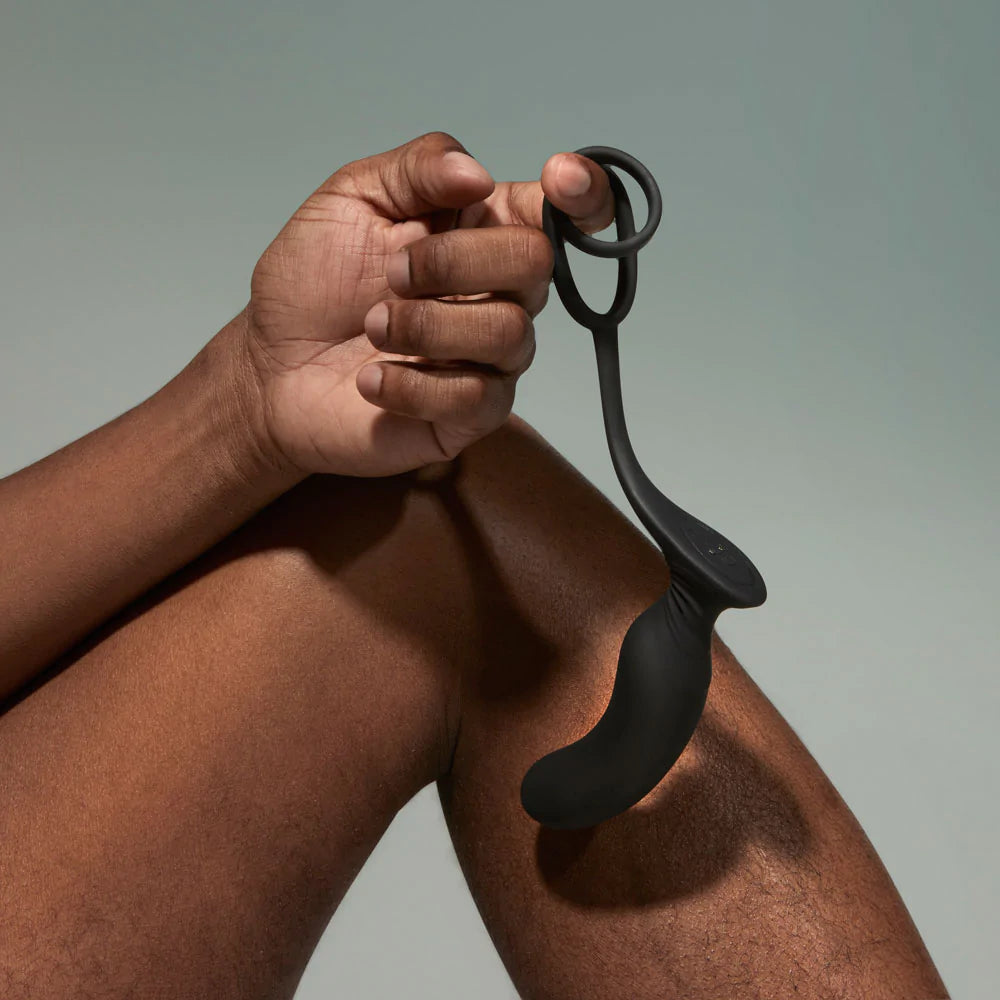
Prostate play is a genuinely good tool here. Hands-free prostate massagers deliver stimulation that has nothing to do with getting or keeping an erection, so there's no performance box to check. It's a different kind of pleasure entirely, and it teaches your body that arousal can be relaxed rather than high-stakes. That relearning tends to carry straight back into partnered sex.
When It's Worth Seeing a Doctor
Most stress-driven dips lift once the stress does. If your low desire sticks around for months, shows up with fatigue or mood changes, or lands right after starting a new medication, get your testosterone and overall health checked. That's not an alarm bell. It's the same smart move you'd make for any other part of your body that felt off.
The Bottom Line
Stress and low libido are a loop, and loops can be broken. The chemistry that shut your drive down is the same chemistry that turns it back on once the pressure eases. Sleep well, move in a way you don't hate, and give yourself permission to enjoy pleasure that isn't a test. Your sex drive isn't gone. It's waiting for you to stop treating it like one more thing on the list.
Ready to take the pressure off? Explore GIDDI's prostate massager range and give your prostate wings. Or keep reading: Libido Mismatch: How to Talk About Different Sex Drives Without the Blame.
Disclaimer: This article is intended for informational purposes only. Seek medical advice from a healthcare provider if you have any concerns about your health