

Clean toys feel better! Save $84


Libido Mismatch: How to Talk About Different Sex Drives Without the Blame

At a Glance
- What libido mismatch really is: Two people with different sex drives is the norm, not the exception, and clinicians have a neutral name for it: desire discrepancy.
- Why it happens: A lot of it comes down to spontaneous versus responsive desire, which is wiring, not a measure of attraction.
- The conversation that fixes more than sex: Bringing it up without blame turns a scorecard into a team problem you solve together.
- Scheduling sex isn't unromantic: Planning intimacy is one of the most generous things a couple can do, and here's why it works.
- Where GIDDI fits: Solo pleasure and prostate play take the pressure off partnered sex, so desire has room to show up on its own terms.
You want it more than your partner does. Or less. Either way, someone's doing the math in their head about how long it's been, and someone's feeling the weight of that math. This is libido mismatch, and if it's living in your relationship, you're in extremely normal company.
Here's the part nobody tells you: the mismatch itself rarely breaks couples. What breaks them is the silence around it, and the story each person quietly writes about what it means. Let's fix the story first.
What Libido Mismatch Actually Is
Libido mismatch is simply two partners with different levels of sexual desire. Therapists call it desire discrepancy, and it's one of the most common reasons couples end up in a sex therapist's office. Not because anything's broken, but because two humans almost never want sex with identical frequency, intensity, and timing for years on end.
Think about how many things shape desire on any given day. Sleep, stress, hormones, medication, how connected you feel, whether the kitchen's a mess. Two people are running two completely different versions of all that at once. Perfect alignment would be the surprise, not the gap.
So the first reframe is this: a difference in sex drives is a description of your relationship, not a diagnosis of it.
Spontaneous vs. Responsive Desire
A big chunk of what gets labeled a "high" or "low" drive is really a difference in how desire shows up. Researchers describe two modes, and understanding yours changes everything.
Spontaneous desire is the kind that arrives out of nowhere. A thought, a glance, and you're interested before anything's even happened. It's the version most movies sell as "real" desire.
Responsive desire works in the other direction. Interest shows up after things get going, in response to touch, closeness, or the right kind of attention. Someone with responsive desire might not feel a spark sitting on the couch, but give it a warm start and the wanting follows.
Neither is better nor more valid. The problem is that partners with responsive desire often get read as uninterested, when they're actually just waiting for a runway. Once you both know which mode you run on, "you never initiate" turns into "you need a different on-ramp than I do." That's a solvable sentence.

Why It's Not a Referendum on Your Relationship
When there's a gap, the higher-desire partner tends to hear "I'm not attracted to you anymore," and the lower-desire partner tends to hear "I'm failing you." Both stories are usually fiction, and both do real damage.
Desire is affected by things that have nothing to do with love: a new prescription, a brutal work stretch, a body that's changing with age. Reading a lull as rejection escalates it. The lower-desire partner feels pressured, pressure kills what little spark was building, and the gap widens. That loop is the actual enemy, not your partner.
How to Bring It Up Without Blame
Timing matters more than the perfect words. Don't start this conversation in bed, right after a rejection, or during a fight. Pick a neutral moment when you're both fed, calm, and not about to do anything.
Lead with what you feel and want, not with what your partner isn't doing. A few openers that keep the door open:
- "I miss feeling close to you, and I want us to figure out our rhythm together."
- "I've been carrying some stress about this and I'd rather talk about it than keep guessing."
- "When we don't connect for a while, I start telling myself stories. Can we talk about what's actually going on?"
Notice what those have in common. No "you always," no "you never," no keeping score out loud. You're naming a shared thing to solve, and inviting your partner in instead of putting them on trial.
Then get curious. Ask what helps them feel in the mood, what kills it, and what a good start actually looks like for them. You might learn your partner has responsive desire and has been waiting for a signal you didn't know how to send.
Scheduling Sex Is Generous, Not Unromantic
The word "scheduling" makes people wince. It sounds clinical, like booking a dentist appointment. Stay with it, because scheduling sex is one of the most thoughtful moves a mismatched couple can make.
Spontaneity is a luxury of new relationships and empty calendars. Once life fills up, "we'll do it when we both feel like it" quietly becomes "we never both feel like it at the same time." Planning solves that. It gives the responsive-desire partner time to get in the right headspace, protects the connection from getting crowded out, and takes away the exhausting guessing game of who initiates and when.
Planned doesn't mean robotic. You're not scripting the sex, but protecting the space for it, and letting anticipation do some of the work desire used to do on its own. Plenty of couples find the buildup becomes part of the fun.
Take the Pressure Off Partnered Sex
Here's the move most couples miss: not every ounce of desire has to be spent on partnered sex. When solo pleasure is part of the picture, the whole dynamic loosens up.
For the higher-desire partner especially, a rich solo life means partnered intimacy stops carrying the entire load. You're not showing up to every encounter starved, and your partner isn't the only valve for everything you're feeling. That alone drains a lot of the pressure out of the gap.
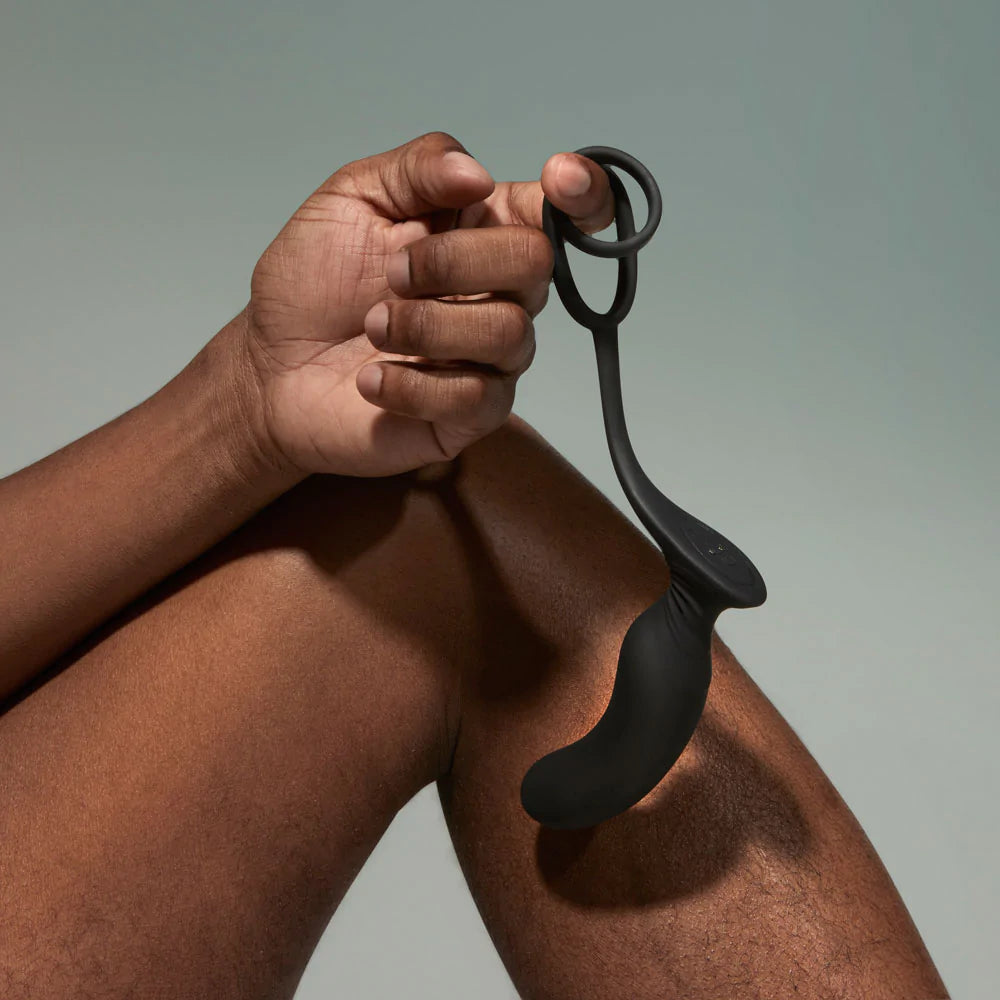
Solo exploration is also how you learn what actually works for your body, which makes you a better, clearer communicator when you're with someone. For men, that's where prostate play comes in. Hands-free prostate massagers deliver a genuinely different experience from anything else, and exploring them is one of the best ways to expand what you know about your own pleasure. Desire tends to grow when you stop treating it as a scarce resource you're rationing.
The Bottom Line
Libido mismatch isn't a sign you picked the wrong person. It's a sign you're two different people, which you already knew. The couples who thrive aren't the ones who magically want the same things at the same time. They're the ones who talk about the gap honestly, drop the blame, and get creative about closing it.
Start with one conversation, at a calm moment, led by how you feel instead of what your partner didn't do. That's the whole game.
Ready to take some pressure off and learn what your body actually responds to? Explore GIDDI's prostate massager range and give your prostate wings. Or keep reading: Stress and Low Libido: Why Stress Kills Your Sex Drive (and What Actually Helps).