

Clean toys feel better! Save $84


What is Prostatitis?

At a Glance
- What prostatitis actually is: Inflammation of the prostate gland, and the most common urinary tract issue in men under 50.
- Four types, one dominant: Acute bacterial, chronic bacterial, and asymptomatic inflammatory prostatitis all exist, but the most common form (chronic pelvic pain syndrome) has no bacterial cause.
- Nonbacterial prostatitis is trickier: Without an infection to target, treatment focuses on managing symptoms through alpha-blockers, pelvic floor therapy, and prostate massage.
- Symptoms to watch: Pelvic or genital pain, urinary issues, painful ejaculation, and in bacterial cases, fever and chills.
- Prostatitis does not increase your prostate cancer risk: Keep up with regular screenings, but this condition doesn't put you on a higher-risk track.
The prostate is small, but when it's inflamed, you notice. Prostatitis affects 10–15% of people with a prostate at some point in their lives, making it the most common urinary tract issue in men under 50. Most cases are manageable.
Here's what you need to know.
What Is the Prostate?
The prostate is part of the male reproductive system: a walnut-sized gland in everyone assigned male at birth (AMAB), sitting just below the bladder and in front of the rectum. Its main job is producing fluid that makes up part of semen, and its muscles help push semen through the urethra during ejaculation.
Directly beneath the prostate sits the pelvic floor. This group of muscles spans the entire base of the pelvis, supporting the bladder, bowels, and sexual function. When the pelvic floor gets tight or dysfunctional, it can contribute directly to prostate pain and urinary symptoms. That connection matters a lot when it comes to treating nonbacterial prostatitis.
The prostate is also genuinely pleasurable. Prostate stimulation through the P-spot can intensify or produce orgasms on its own, and that's true regardless of how you choose to explore it.

Who Has a Prostate?
Anyone assigned male at birth has one. That includes trans women and nonbinary people born with male bodies. Gender identity doesn't factor into it.
You may have heard about the "female prostate." People assigned female at birth don't technically have a prostate, but they do have the Skene's glands, which perform a similar function. Both can be screened for cancer-related concerns.
What Is Prostatitis?
Prostatitis is inflammation of the prostate. There are four types:
Acute bacterial prostatitis: A bacterial infection with sudden, severe symptoms. Fever, chills, burning urination, difficulty passing urine. Get medical attention right away.
Chronic bacterial prostatitis: Also bacterial, but symptoms (frequent urination, painful ejaculation, burning) come on gradually, without fever or chills.
Chronic prostatitis/chronic pelvic pain syndrome (CP/CPPS): The most common type. Not caused by bacteria. Ongoing pelvic pain and urinary symptoms with no detectable infection.
Asymptomatic inflammatory prostatitis: No symptoms. Usually found during routine screening. Can affect fertility but typically doesn't require treatment.
Understanding Nonbacterial Prostatitis
Most prostatitis cases fall under CP/CPPS. There's no infection driving it, which makes it harder to address with antibiotics alone.
Possible triggers include:
- Prior bacterial prostatitis
- Frequent cycling or sustained pressure on the perineum
- Urine backing up into the prostate
- Pelvic floor muscle dysfunction
- Chemical irritants
- Lower urinary tract nerve issues
- Viral infections
In some cases, whether the prostate itself is the actual source of pain or just a bystander remains genuinely unclear.

How It's Diagnosed
Diagnosis starts with a symptom review and a rectal exam: your doctor inserts a gloved, lubricated finger to check for swelling or abnormalities. From there, testing may include:
- Urine sample to rule out UTI or bacterial infection
- Prostate ultrasound (a probe inserted into the rectum uses painless sound waves to check for issues)
- Urodynamic testing to evaluate urine flow
- Blood tests to screen for STIs
- Cystoscopy to examine the inside of the urethra and bladder
- Biopsy if prostate cancer needs to be ruled out
Symptoms of Prostatitis
Symptoms vary by type. Common ones across all forms include:
- Pelvic, lower back, or genital pain, especially after urinating or ejaculating
- Burning or pain during urination
- Frequent or urgent need to urinate
- Difficulty starting your stream or needing to strain
- Painful ejaculation
- Blood in urine or semen
- Pain during bowel movements
- Flu-like symptoms, fever, and chills (acute bacterial cases only)
If any of these show up, book an appointment. Don't wait.
Can You Have Sex With Prostatitis?
Prostatitis isn't an STI and can't be passed to a partner. Sex generally won't worsen it either. That said, painful ejaculation is a real symptom for some people, which can affect the experience. Listen to your body; there's no obligation to push through it.
Treatment Options
Treatment depends on type and severity. For bacterial forms, antibiotics are the first move. For nonbacterial prostatitis, the goal is symptom management:
- Antibiotics: Sometimes tried to rule out bacterial involvement, then stopped if they're not helping (to avoid resistance)
- Alpha-blockers: Relax muscles around the prostate and urethra; take a month or more to kick in
- NSAIDs: Ibuprofen, naproxen, or aspirin reduce inflammation and relieve pain
- Muscle relaxants: Address pelvic floor spasms specifically
- Stool softeners: Help when bowel movements are painful
- Prostate massage: Drains built-up fluid from prostate ducts and can relieve pressure
- Pelvic floor therapy: Addresses the underlying muscle dysfunction that often drives nonbacterial prostatitis
- Mental health support: Chronic pain is genuinely hard on you. Therapy, support groups, or medication are real options, not afterthoughts
- Warm baths, dietary changes, acupuncture: Practical symptom managers worth trying during flares
One thing you can stop worrying about: prostatitis does not increase your risk of prostate cancer. Keep up with regular screenings, but this isn't a condition that puts you on a higher-risk track.
Prostate Massage for Prostatitis
Prostate massage can help drain built-up fluid from the prostate ducts, and many people with chronic prostatitis report genuine relief from it. It also happens to be one of the more enjoyable things you can do for your prostate health.
You can massage the prostate manually or with a prostate massager. Manually: with clean hands and plenty of lube, insert a finger two inches in and use a come-hither motion toward the navel. You'll feel a round, spongy area. Press steadily, like you're ringing a doorbell.

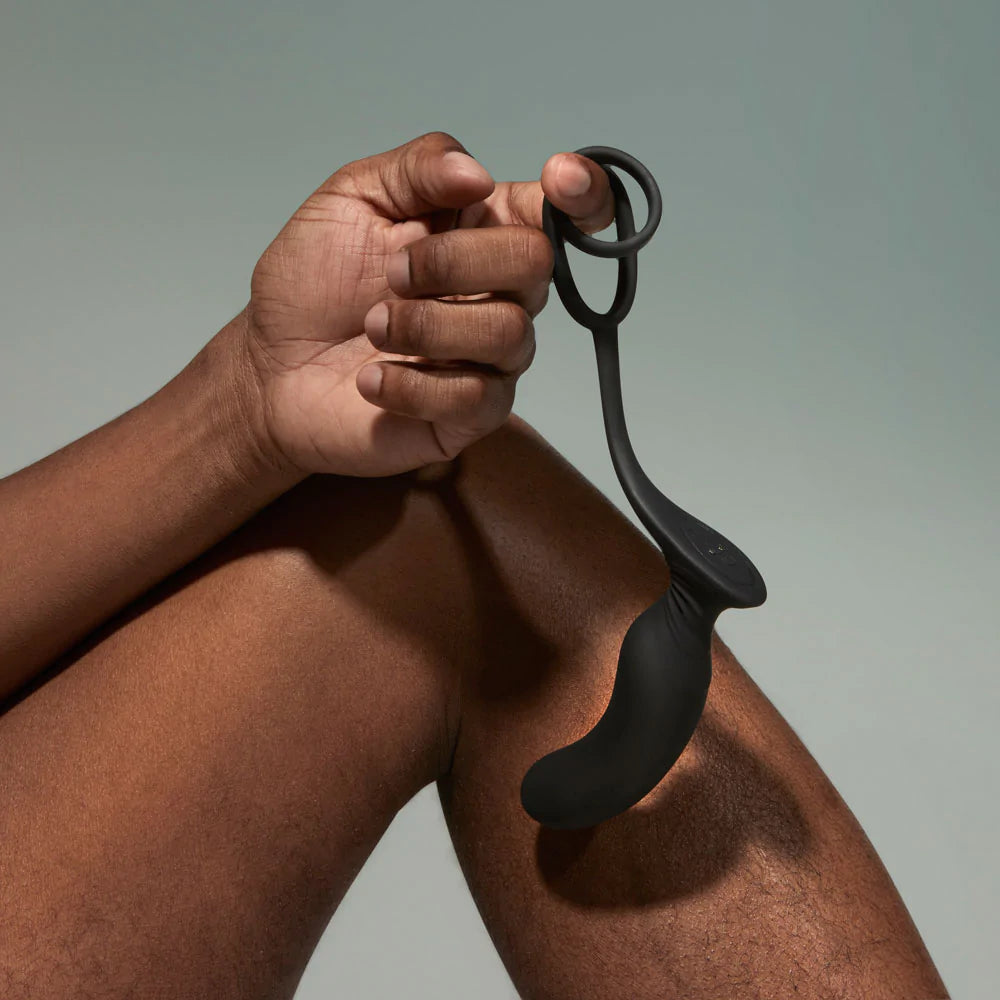
If you'd rather use a toy, the Tomo replicates that come-hither motion automatically. Use plenty of lube, go slowly, and don't rush. It's normal to feel like you need to urinate at first; the prostate sits right next to the bladder. That sensation tends to fade as you relax.
Prevention and Prostate Self-Care
You can't prevent every form of prostatitis, but you can reduce the risk and catch issues early.
Get tested for STIs regularly. Sexually transmitted infections can trigger prostate inflammation. Testing before and after new partners, plus consistent condom use, helps.
Do self-exams regularly. With clean, trimmed fingernails and enough lube, gently insert one finger approximately two inches into the rectum, palm facing toward the abdomen. Carefully feel for any unusual texture, swelling, or lumps.
See your doctor. Routine prostate exams matter, especially after 40. If you notice anything unusual during a self-check, make the appointment.
Watch your diet during flares. Caffeine, alcohol, and spicy food can worsen symptoms. Dial them back when things are irritated.
Protect your perineum. If you cycle a lot, a properly fitted saddle makes a real difference. Hard surfaces for long periods aren't great for the prostate.
When To Call a Doctor Right Away
Go now if you can't urinate, have painful urination with fever, see blood in your urine, or have severe pelvic pain. These need same-day medical attention.
Conclusion
Prostatitis is common, often chronic, and genuinely manageable. Whether the cause is bacterial or not, you have options: medication, pelvic floor therapy, prostate massage, and lifestyle adjustments all make a difference. The main thing is not ignoring it.
Disclaimer: This article is intended for informational purposes only. Seek medical advice from a healthcare provider if you have any concerns about your health.